Transcriptome Sequencing

Explore the full potential of transcriptome research with Novogene’s Transcriptome Sequencing services, powered by Illumina, PacBio, and Oxford Nanopore. Our RNA sequencing can cover both coding and non-coding regions of the transcriptome, offering valuable insights into the intricate interactions within the transcriptome.
Whole transcriptome sequencing integrates mRNA sequencing with non-coding RNA analysis, which includes long non-coding RNA sequencing (lncRNA-seq), small RNA sequencing (sRNA-seq) and circular RNA sequencing (circRNA-seq). For deeper exploration of complex regions, our full-length transcript sequencing utilizes long read capabilities from PacBio and Oxford Nanopore platforms. Additionally, we offer tailored solutions for prokaryotic RNA and metatranscriptomic sequencing, enabling detailed analysis at both individual species and whole community levels.
Transcriptome analysis provides invaluable information on gene expression profiles under varying conditions, including alternative splicing, gene fusion events, novel transcript discovery and microbial population dynamics. These insights have broad applications across disease research, drug-resistance studies, environmental and health-related microbiome studies, food and water safety and agricultural health.
Empower your research with precise and versatile sequencing solutions from Novogene.



Technology
Sequencing Platforms
-
ILLUMINA
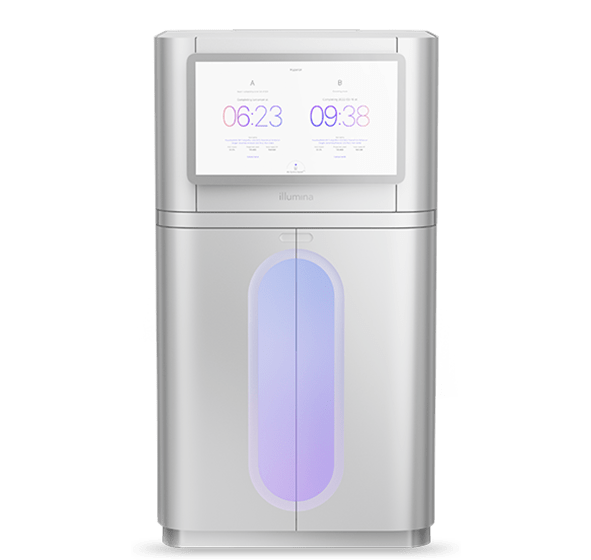
NovaSeq X Plus
System specifications:Up to 16 Tb of output (or up to 52 billion single reads) per dual 25B flow cell run. Run time of nearly 48 h. Q30 ≥85% (PE150)
-
PACBIO
PacBio Revio System
System specifications:N50>15kb, 90% of bases ≥Q30, 90Gb HiFi yield / SMRT Cell, 360Gb HiFi yield / run, 24-hour run times etc.

-
PACBIO
PacBio Sequel II/IIe System
System specifications:N50>15kb, read lengths up to 25kb (CCS), >99.999% (QV50) consensus accuracy, coverage across high-GC/repeat regions. HiFi reads for PacBio Sequel IIe only.

-
Nanopore
Nanopore PromethION
System specifications:Ultra-long reads up to 2Mb, high yields for large genomes, REAL real-time and accessible for flexible budgets.