Introduction to Full-Length 16S/18S/ITS Amplicon Sequencing


Full-Length 16S/18S/ITS Amplicon Sequencing is a metagenomic approach that delves deep into the taxonomic composition of complex microbial communities. This sophisticated method amplifies full-length conserved genes, including 16S ribosomal RNA (rRNA), 18S rRNA, and Internal Transcribed Spacer (ITS) rRNA, using PCR techniques. The resulting amplicons are then subjected to high-fidelity, long-read sequencing on the PacBio Revio platform.
Full-length amplicon sequencing provides unparalleled taxonomic resolution. Unlike traditional methods that focus solely on hypervariable regions or intergenic regions, full-length amplicon sequencing captures the entire gene sequence. These amplicons range in length from 1-2kb, lengths that short-read sequencing cannot fully capture. This comprehensive approach reveals a richer, more detailed picture of microbial diversity, allowing for more accurate identification and classification of species within complex samples. Our 16S rRNA pipeline utilises PacBio’s Kinnex 16S rRNA library preparation kit to further improve accuracy and throughput.
PacBio Kinnex 16S rRNA Kit
The Kinnex kits are based on the MAS-Seq method, which concatenates smaller amplicons into larger fragment libraries for throughput increase. Novogene uses the Kinnex 16S rRNA kit as part of its 16S rRNA sequencing pipeline to further improve the throughput.
Applications of full-length amplicon sequencing
Amplicon-based metagenomic sequencing is an effective way to investigate microorganisms present in diverse samples. Its applications include:
- Microbial diversity: characterise microbial communities in environmental samples and microbiome studies.
- Taxonomic profiling: identify and classify microorganisms, reaching species-level.
- Annotation of species as bacteria and archaea (16S), or fungi and other eukaryotes (ITS/18S).
- Detection of pathogens and microbial contamination.
- Analysis of samples from physiological fluids or tissues for microbiome profiling to assist in diagnosis and treatment.
Advantages of Novogene Full-Length 16S/18S/ITS Sequencing
Novogene has extensive experience with amplicon-based sequencing projects, and we are constantly innovating and adapting with the latest technology. Choose Novogene for your full-length amplicon sequencing project and benefit from the following advantages:
- Targeted approach for the precise annotation and study of individual species within complex samples.
- Our full-length amplicon sequencing service employs the MAS-seq library preparation method combined with PacBio’s HiFi sequencing technology, guaranteeing the delivery of high-quality data.
- Our 16S rRNA pipeline utilises PacBio’s Kinnex 16S rRNA library preparation kit to further improve accuracy and throughput.
- Our end-to-end service includes sample extraction, PCR amplification, library preparation, and Revio sequencing, along with ASV (DADA2) analysis for identification and functional annotation.
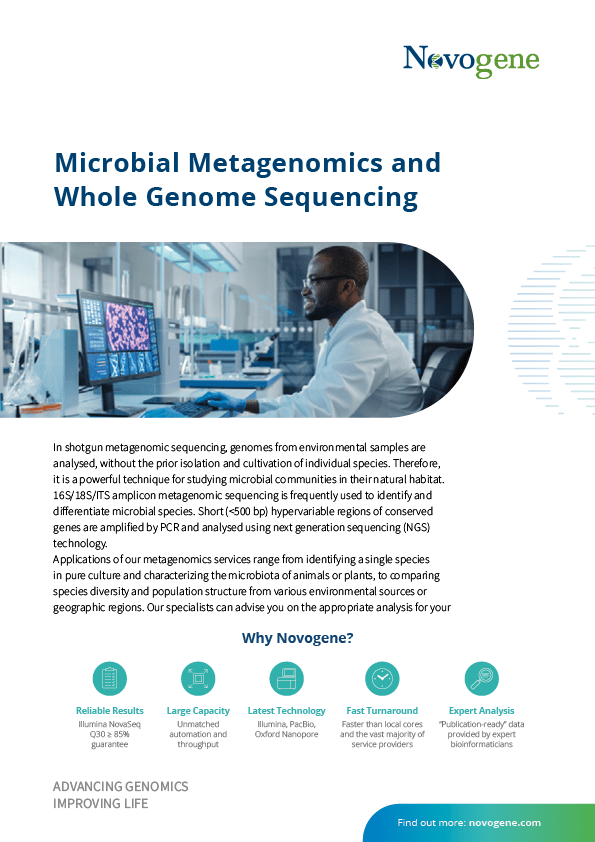
Microbial Metagenomics and Whole Genome Sequencing Service Flyer
In shotgun metagenomic sequencing, genomes from environmental samples are analysed, without the prior isolation and cultivation of individual species. Therefore, it is a powerful technique for studying microbial communities in their natural habitat. 16S/18S/ITS amplicon metagenomic sequencing is frequently used to identify and differentiate microbial species. Short (<500 bp) hypervariable regions of conserved genes are amplified by PCR and analysed using next generation sequencing (NGS) technology.
On-demand Webinar
Unfolding the Microbial World: A Journey through Sequencing Applications
The microbial world is teeming with an estimated one trillion species, only a fraction of which, approximately 155,000, have been sequenced so far. For researchers interested in the microbiome, the advent of next-generation sequencing (NGS) technologies and advanced data analysis methods presents an unparalleled opportunity to delve deeper into the intricacies of the microbial universe – whether you are interested in a single species or a microbial community. NGS serves as a pivotal tool, allowing us to dissect microbial communities, unravelling their complexities and unveiling their profound impact on diverse ecosystems.
In this webinar we will talk about myriad microbial sequencing options such as microbial whole genome sequencing, metagenomics, and metatranscriptomics. We will also discuss recent advances in the field such as the applications of long-read sequencing and highlight Novogene’s diverse microbial sequencing solutions to aid your research.
Learning Objectives:
- Explore sequencing options for individual microbial species or communities
- Discover recent advances in microbial sequencing technologies
- Understand workflow and analysis pipelines for microbial sequencing.
Long-read sequencing, the next era of genomics
In this webinar, guest speaker Thea Zieglar, Sequencing Application Sales Specialist at PacBio, and Shi-qi Ann, Deputy Product Marketing Director at Novogene, will guide you through HiFi long-read sequencing with the PacBio Revio.
Learning Objectives:
- Understand the principle and advantages of highly accurate long-read sequencing to explore the full spectrum of genetic variation
- Gain an overview of our most important applications, as well as possible options for whole genome sequencing, targeted sequencing, RNA sequencing and microbial genomics
- Understand how PacBio long-read sequencing of extended 16S amplicons enables identification of metagenome community members at higher taxonomic resolution than common methods
- Learn how Kinnex full-length RNA and single-cell RNA sequencing enables scientists to capture full-length isoforms, elucidating isoform diversity in development and disease.

Sample Requirements
| Sample Type | Amount (Qubit) |
Concentration | Volume | Purity |
| Genomic DNA | ≥ 200 ng | ≥12ng/μL | ≥20μL | No degradation No contamination/extra fragments/color |
Sequencing and Analysis
| Sequencing Platform | PacBio Revio |
| Read Length | Full-length 16S/18S/ITS |
| Data Output | 10K/20K/30K/50K clean reads |
| Standard Data Analysis |
|
Project Workflow of Novogene Amplicon Metagenomic Sequencing Services
The workflow for a new project begins with sample preparation and subsequent quality control. Once the quality of the DNA sample has been validated, PCR amplification will be performed on target regions (amplicons). The amplicons are then purified for library preparation, after which, library quality control commences. HiFi sequencing technology is used by the PacBio Revio platform to sequence the library and, once sequencing is complete and data quality control is performed, bioinformatics analysis is conducted to obtain high-quality results and create publication-ready figures.



Publications with Full-length Amplicon Metagenomic Sequencing
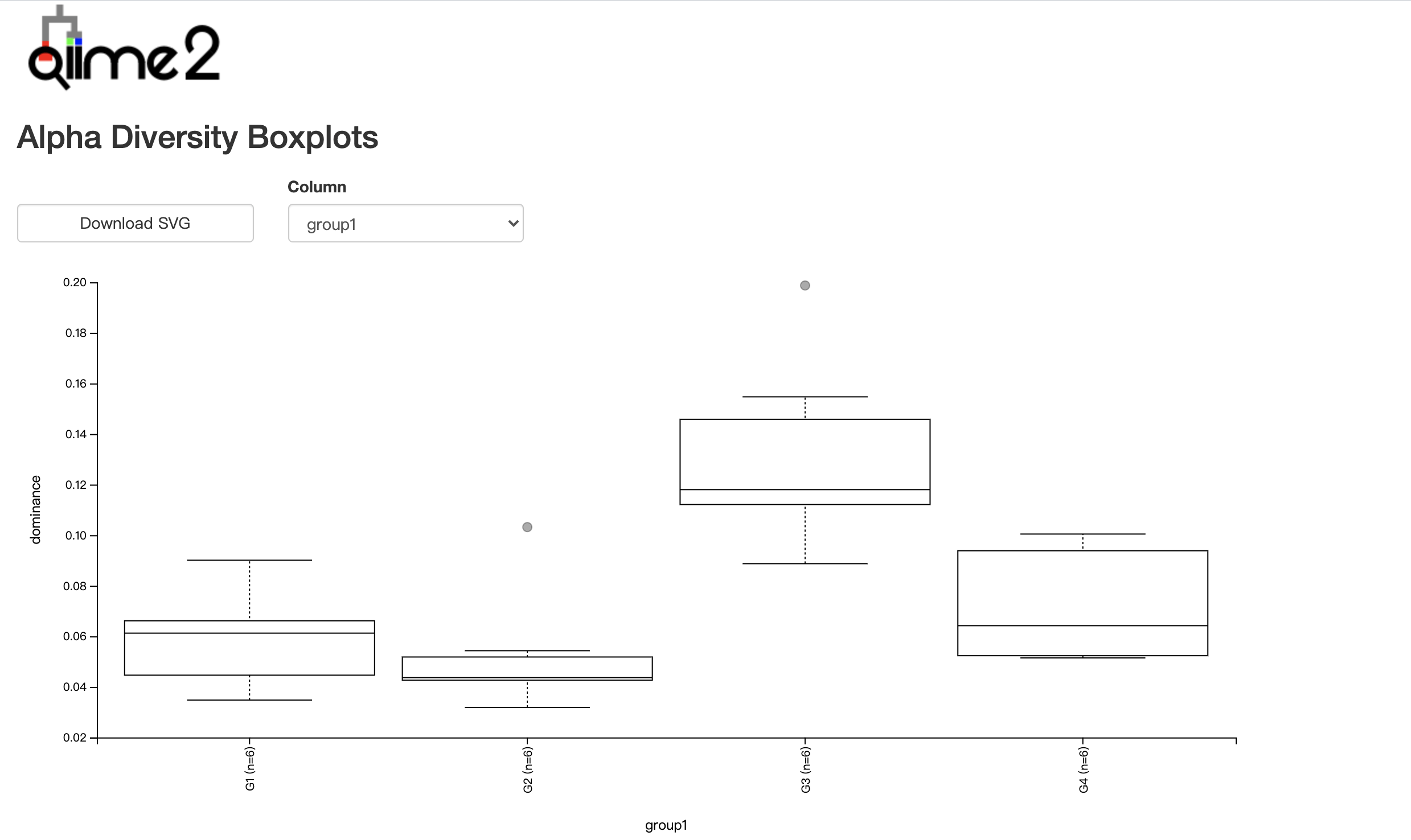
Full-length Amplicon Metagenomic Sequencing is a powerful tool for researchers aiming at the identification and differentiation of microbial species. By utilizing 16S/18S/ITS rRNA sequencing, this technique enables the characterization of microbial diversity in the environment through Alpha and Beta diversity analysis, facilitating the identification, description, and tracking of microorganisms of interest. Here is a list of featured publications that have employed Novogene’s Full-length Amplicon Metagenomic Sequencing services.
-
Microbial Composition Dynamics in Peloids Used for Spa Procedures in Lithuania: Pilot Study
International Journal of Environmental Research and Public HealthIssue Date: 12 March 2024IF: 4.614DOI: 10.3390/ijerph21030335
-
BIORESOURCE TECHNOLOGYIssue Date: 15 April 2023IF: 11.889DOI: 10.1016/j.biortech.2023.129064
-
SCIENCE OF THE TOTAL ENVIRONMENTIssue Date: 5 July 2023IF: 9.8DOI: 10.1016/j.scitotenv.2023.165336
-
Genetic Profiling of the Full-Length tprK Gene in Patients with Primary and Secondary Syphilis
Microbiology SpectrumIssue Date: 10 April 2023IF: 9.043DOI: 10.1128/spectrum.04931-22
-
Glutamicibacter nicotianae AT6: A new strain for the efficient biodegradation of tilmicosin
Journal of Environmental SciencesIssue Date: 10 July 2023IF: 6.9DOI: 10.1016/j.jes.2023.07.009
-
JOURNAL OF AGRICULTURAL AND FOOD CHEMISTRYIssue Date: 13 July 2023IF: 6.1DOI: 10.1021/acs.jafc.3c03163
-
Gut microbiota composition is associated with disease severity and host immune responses in COVID-19
Frontiers in Cellular and Infection MicrobiologyIssue Date: 12 December 2023IF: 5.7DOI: 10.3389/fcimb.2023.1274690
-
APPLIED SOIL ECOLOGYIssue Date: 15 April 2023IF: 5.509DOI: 10.1016/j.apsoil.2023.104917
-
Food BioscienceIssue Date: 21 February 2023IF: 5.318DOI: 10.1016/j.fbio.2023.102503
-
Food BioscienceIssue Date: 23 January 2024IF: 5.2DOI: 10.1016/j.fbio.2024.103655
-
FoodsIssue Date: 18 January 2024IF: 5.2DOI: 10.3390/foods13020307
-
Fermentation-BaselIssue Date: 17 April 2023IF: 5.123DOI: 10.3390/fermentation9040383
-
Microbial Composition Dynamics in Peloids Used for Spa Procedures in Lithuania: Pilot Study
International Journal of Environmental Research and Public HealthIssue Date: 12 March 2024IF: 4.614DOI: 10.3390/ijerph21030335
-
AQUACULTUREIssue Date: 11 January 2023IF: 4.5DOI: 10.1016/j.aquaculture.2023.739254
-
BIOCHEMICAL ENGINEERING JOURNALIssue Date: 5 May 2023IF: 4.446DOI: 10.1016/j.bej.2023.108962
-
Effect of Root-Knot Nematode Disease on Bacterial Community Structure and Diversity in Peanut Fields
Agronomy-BaselIssue Date: 6 July 2023IF: 3.7DOI: 10.3390/agronomy13071803
-
The facial microbiome and metabolome across different geographic regions
Microbiology SpectrumIssue Date: 8 December 2023IF: 3.7DOI: 10.1128/spectrum.03248-23
-
ANIMAL FEED SCIENCE AND TECHNOLOGYIssue Date: 2 February 2023IF: 3.313DOI: 10.1016/j.anifeedsci.2023.115594
-
Frontiers in Bioscience-LandmarkIssue Date: 28 February 2023IF: 3.115DOI: 10.31083/j.fbl2802040
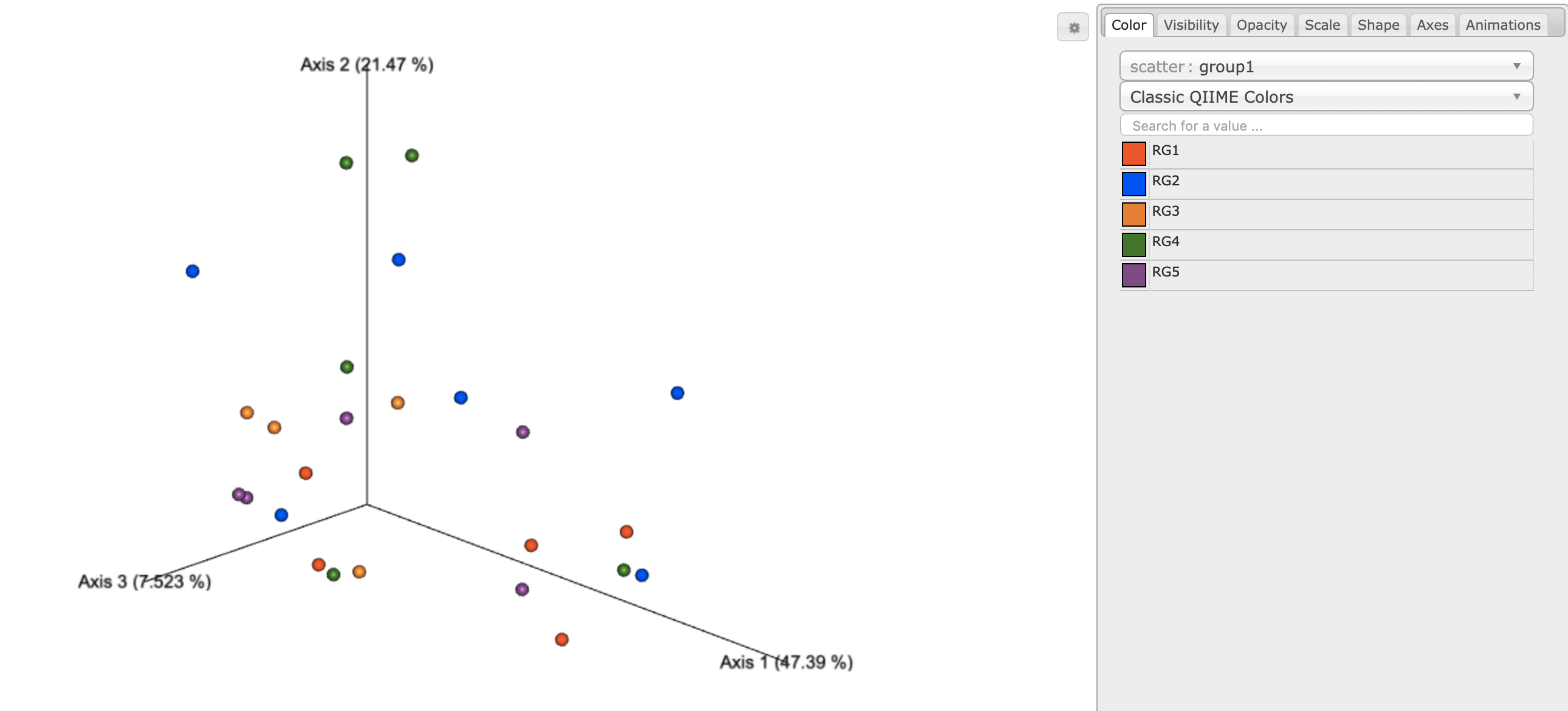
3D Principal Coordinate Analysis (PCoA) of Beta Diversity
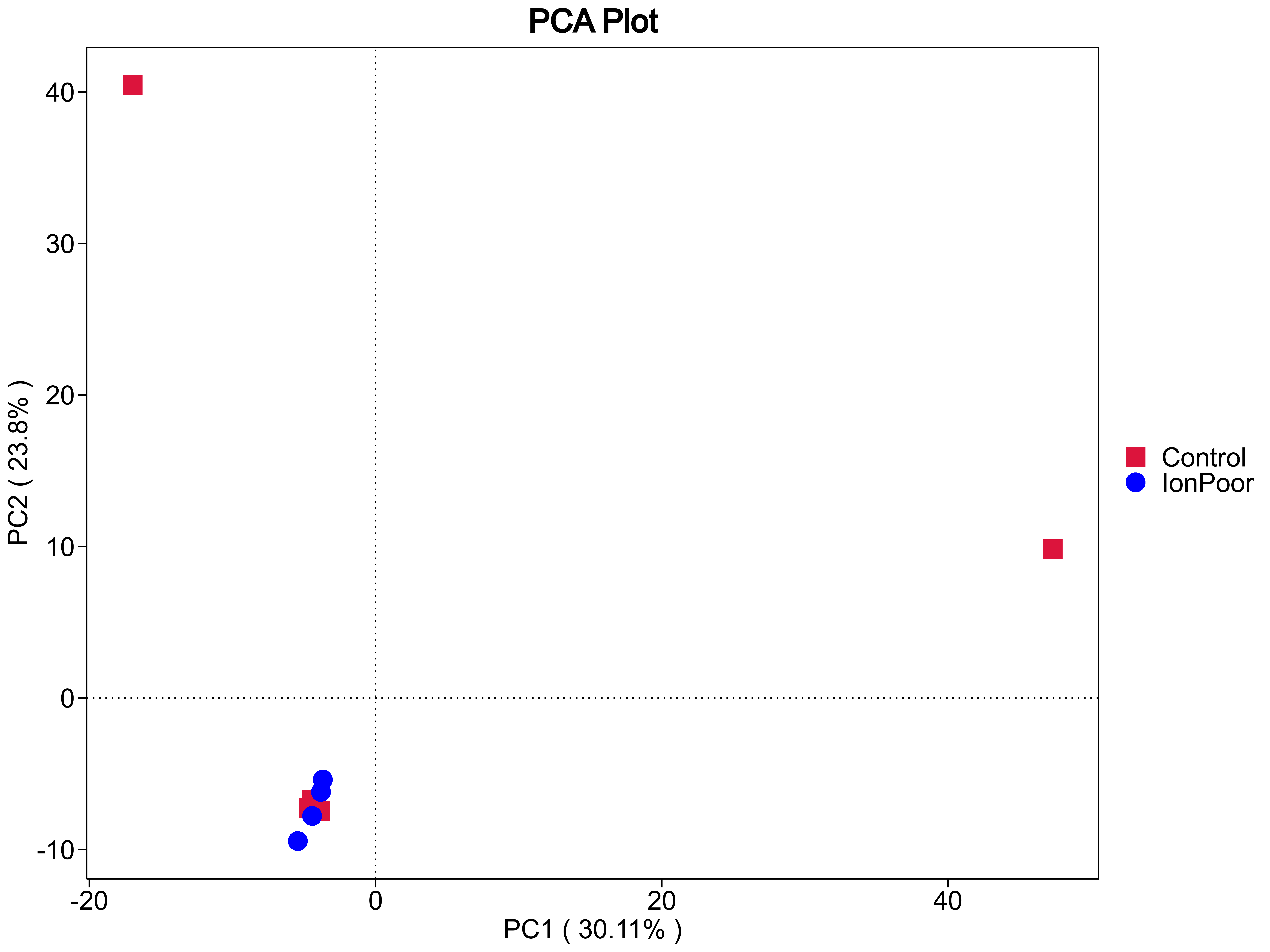
Principal Component Analysis (PCA) of relative
abundance
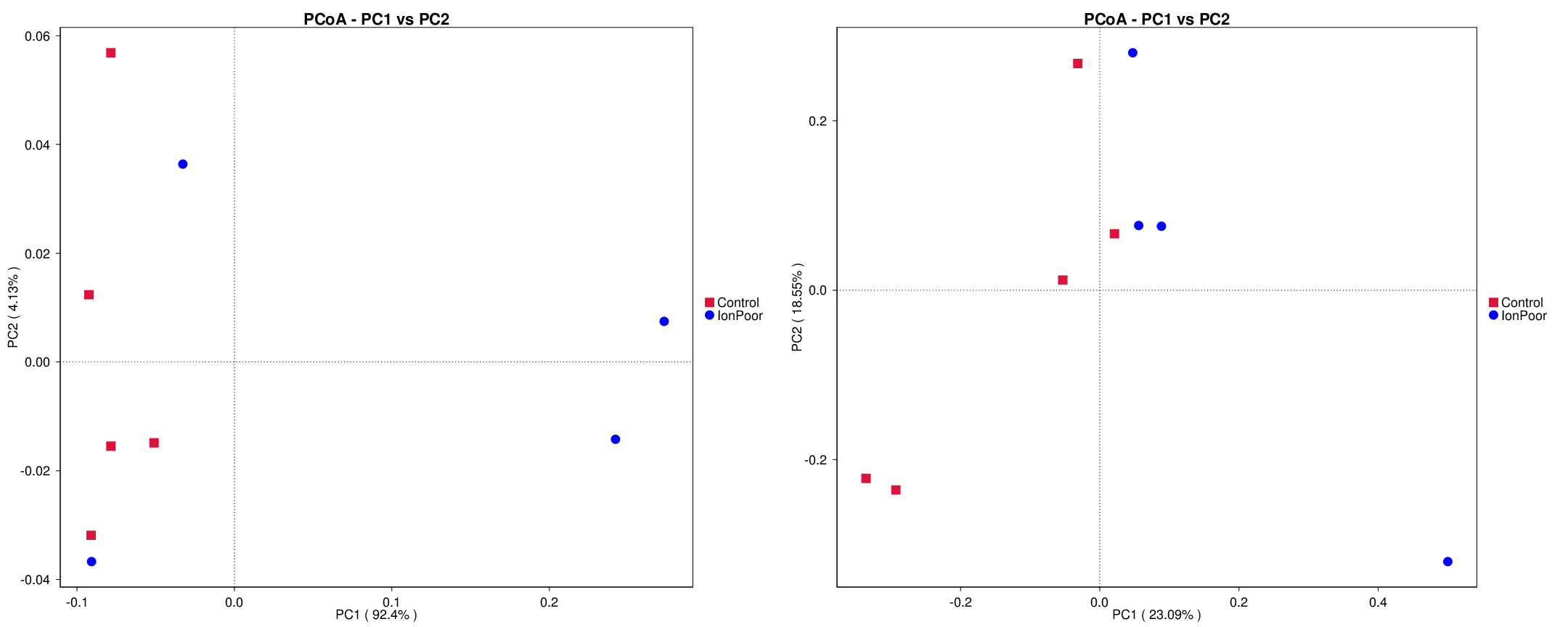
Non-Metric Multi-Dimensional Scaling (NMDS)
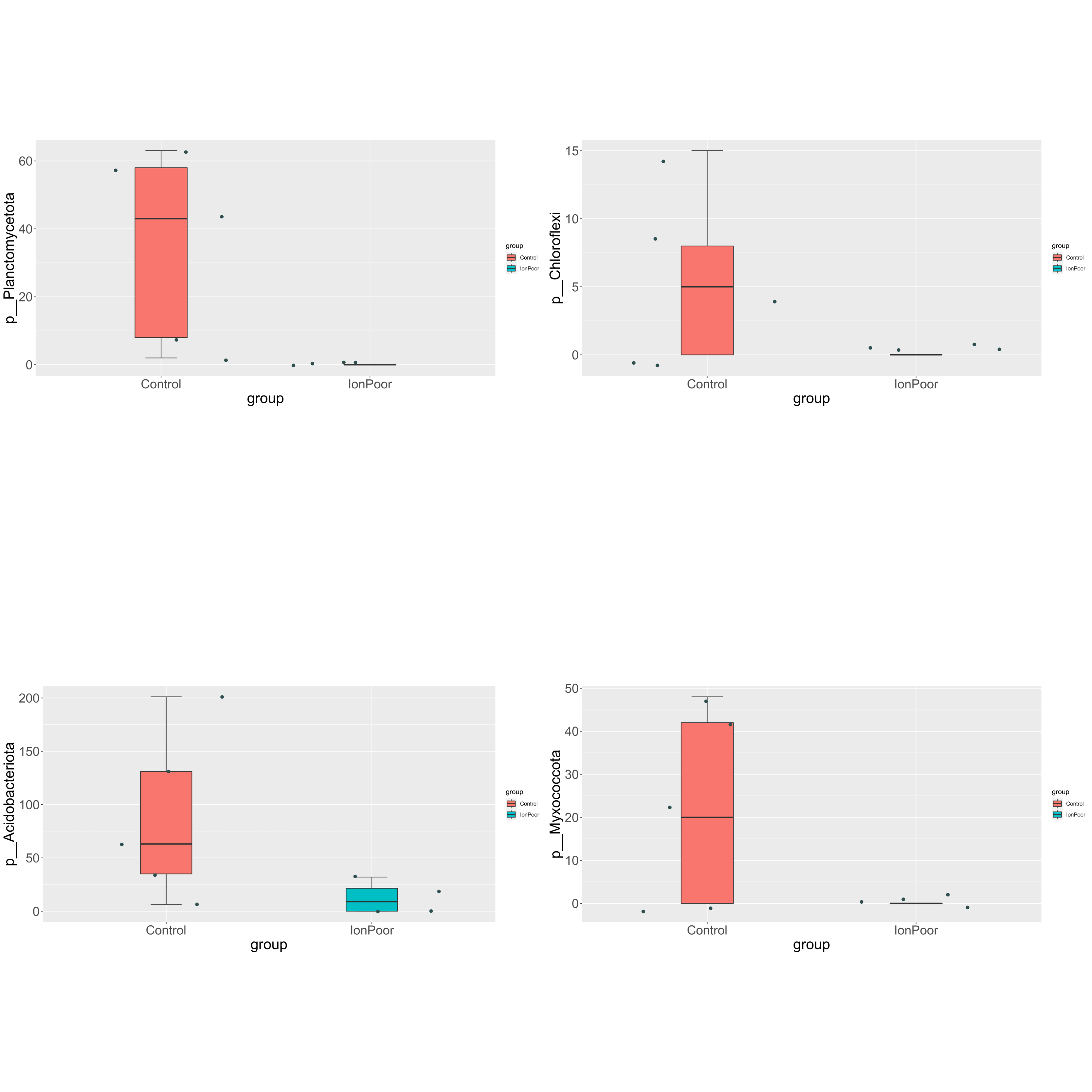
MetaStat Analysis between
Groups
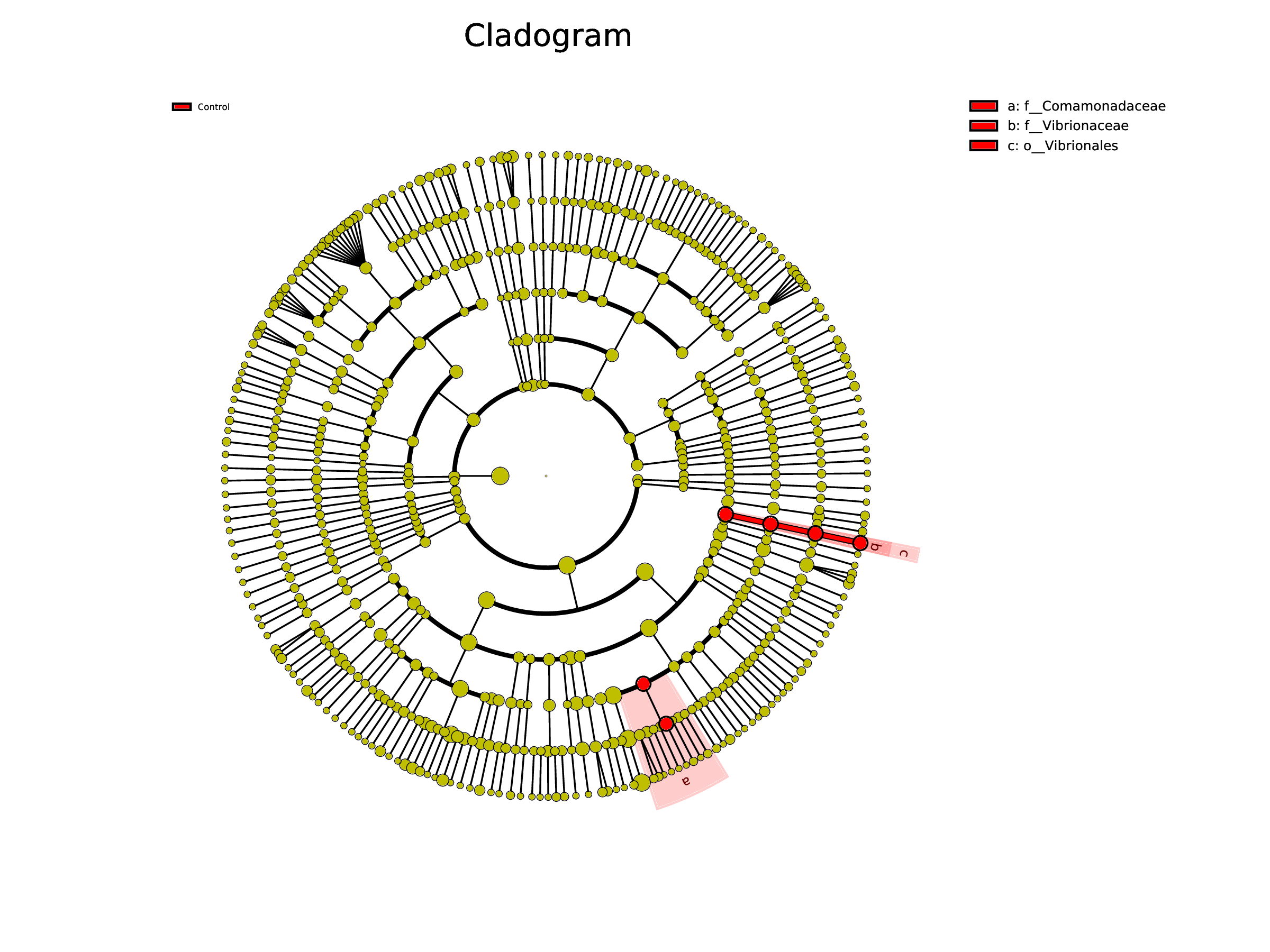
Cladogram of Linear Discriminant Analysis (LDA)
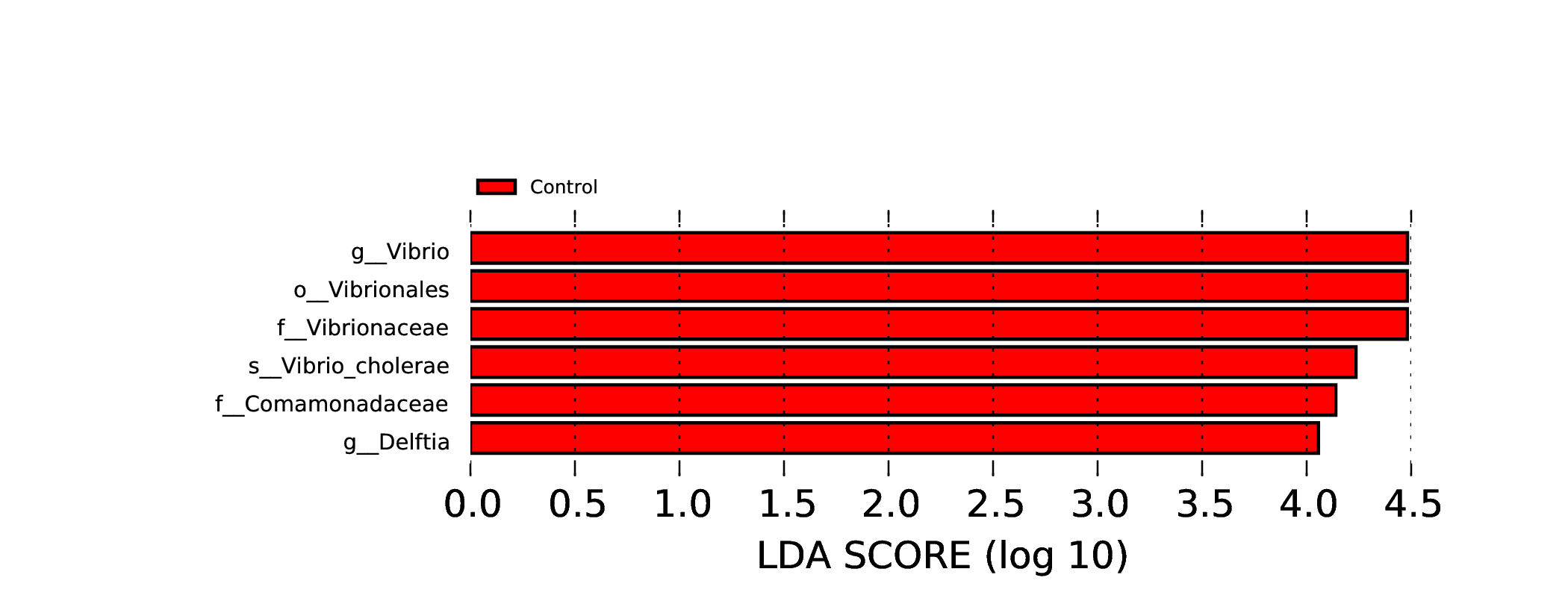
Histogram of LDA
Scores
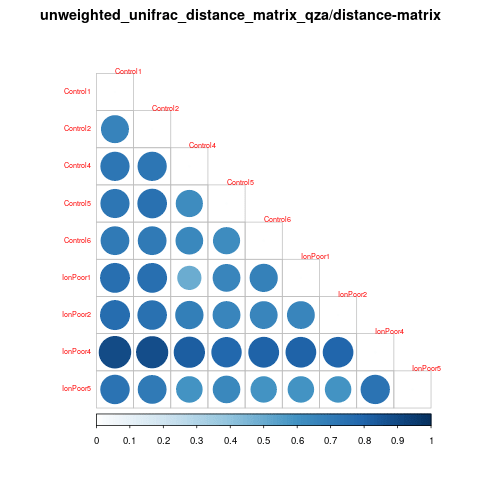
Beta Diversity Heatmap of Unweighted Unifrac Distance Matrix
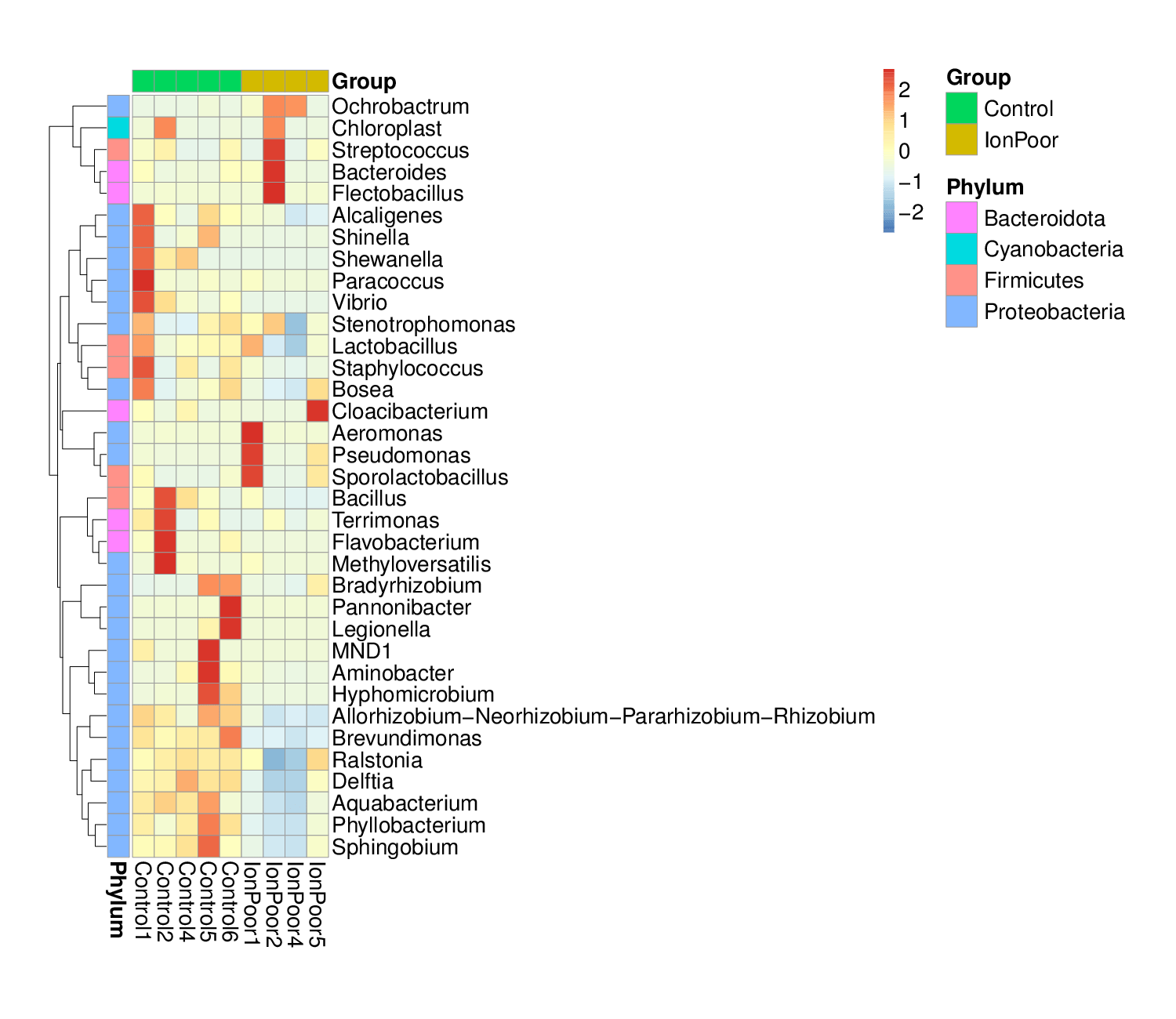
Heatmap of Taxonomic Relative
Abundance
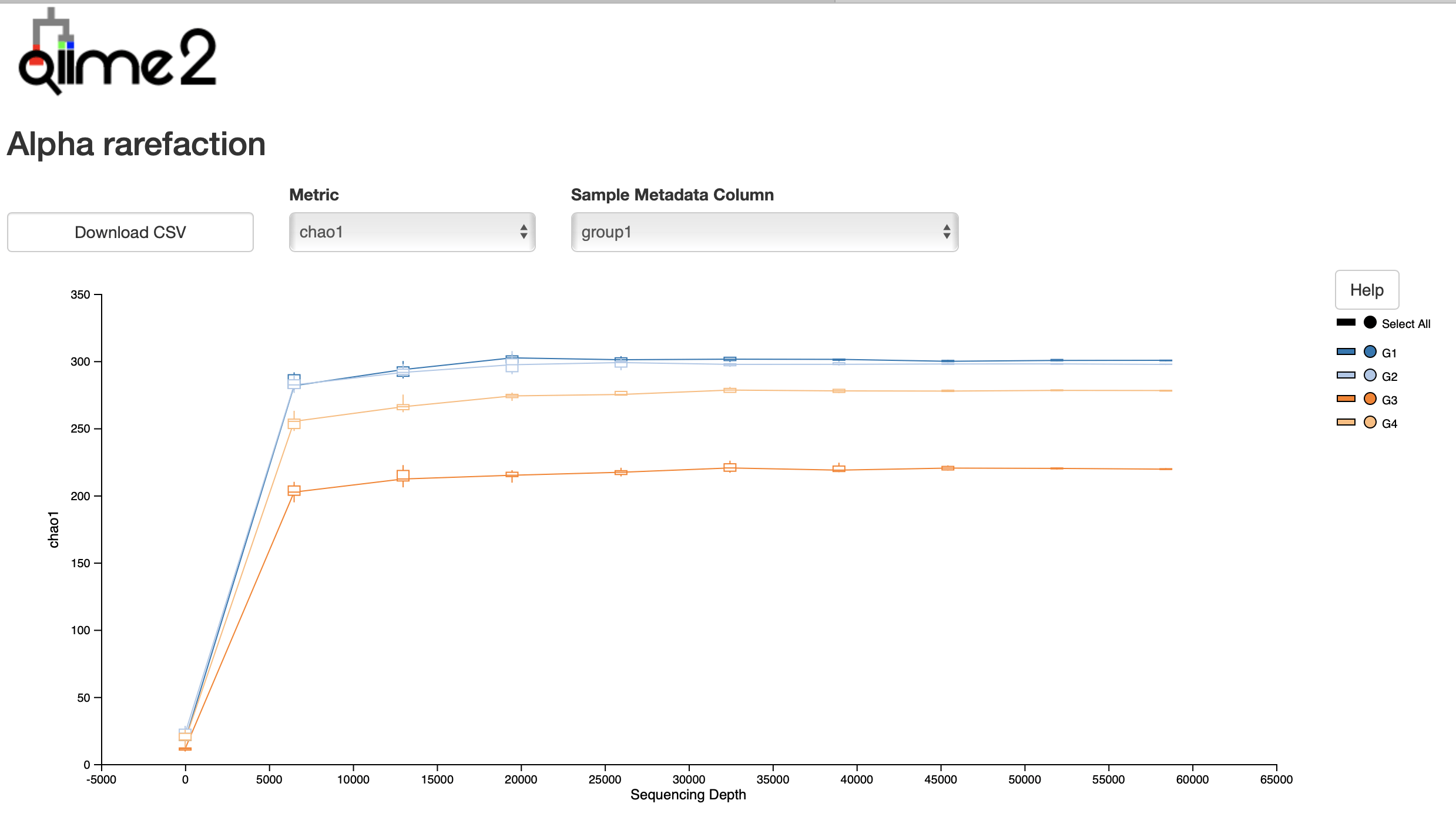
Rarefaction Curves of Alpha Diversity
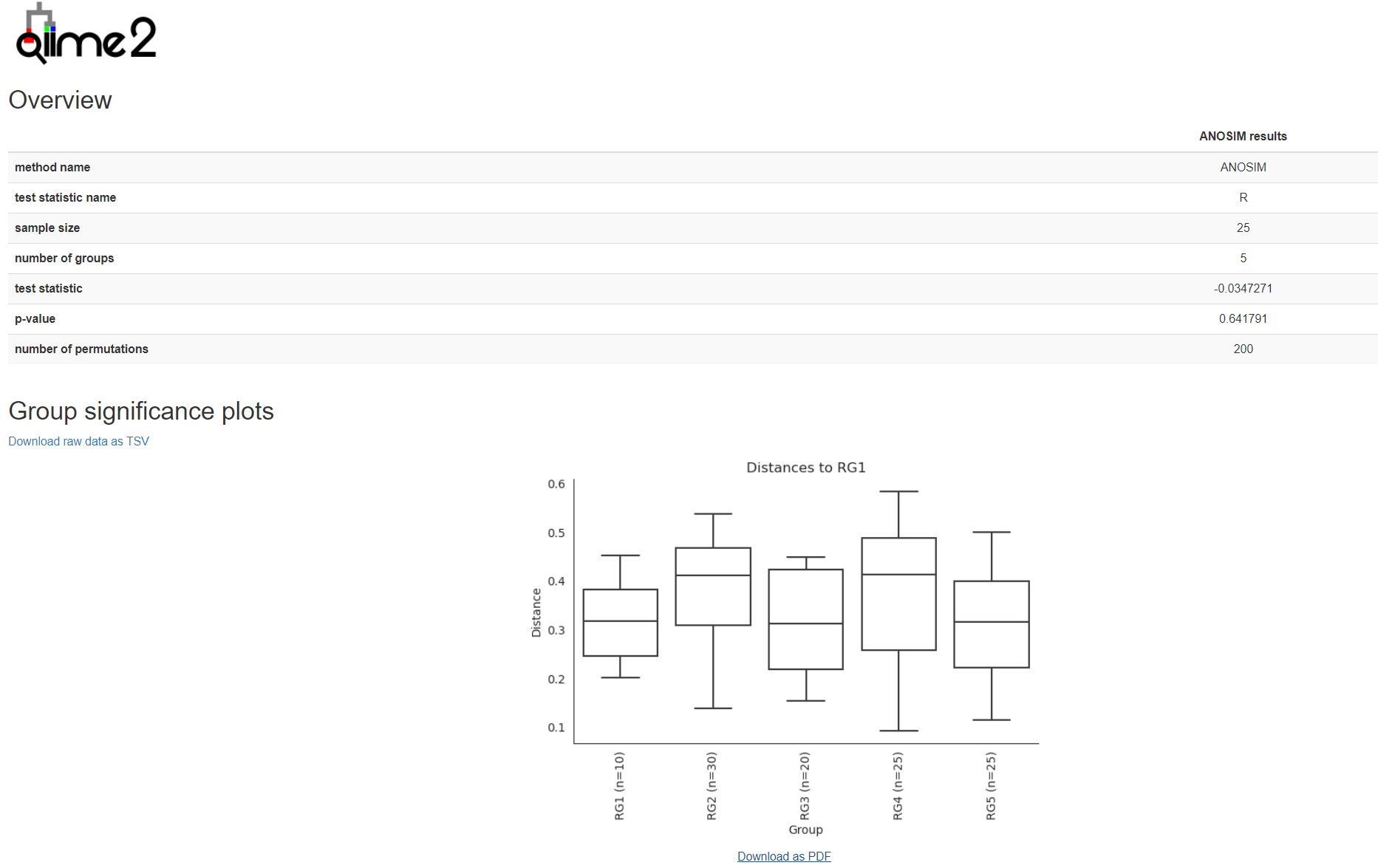
Anosim Analysis based on Unifrac
Distance
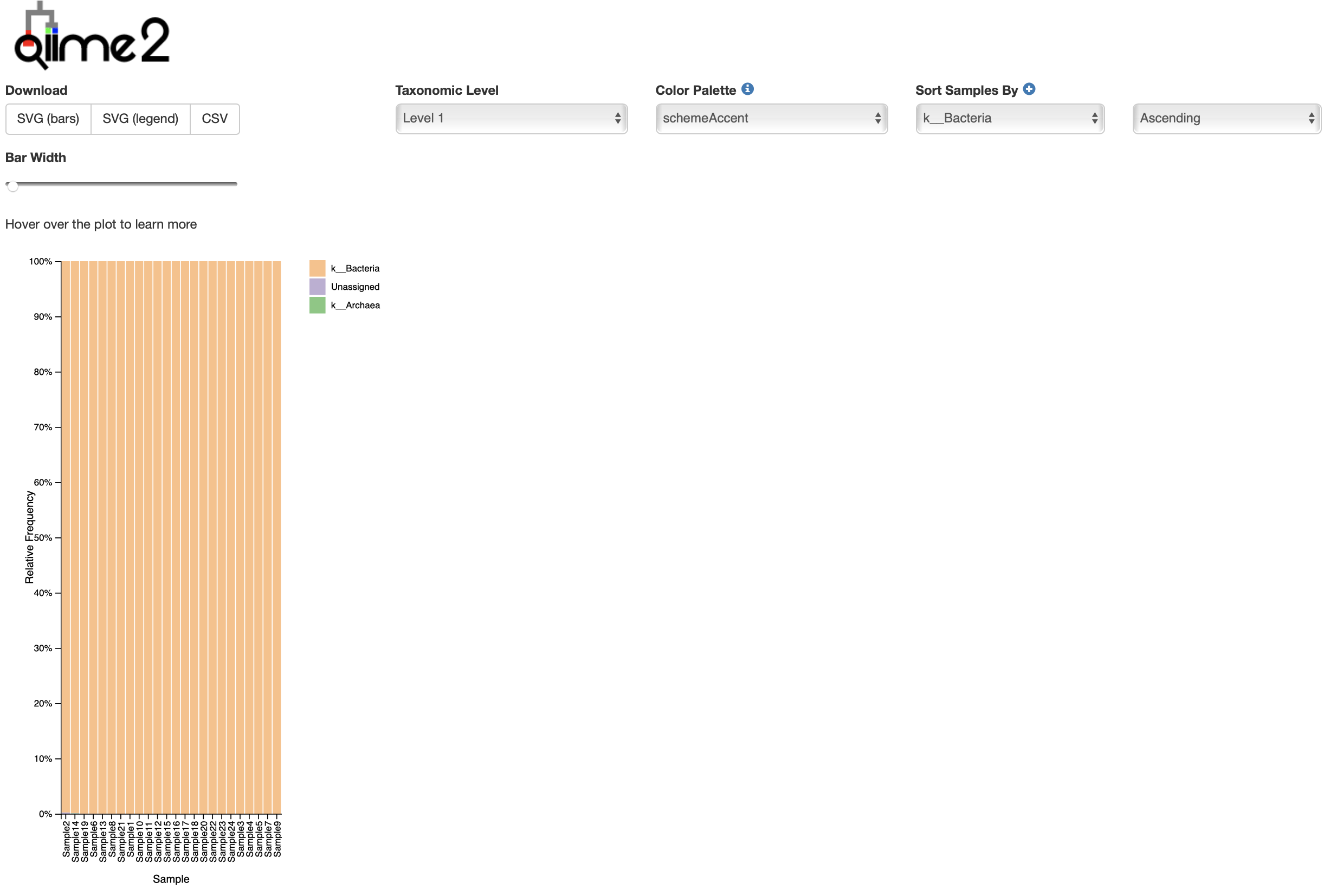
Histogram of Relative Abundance
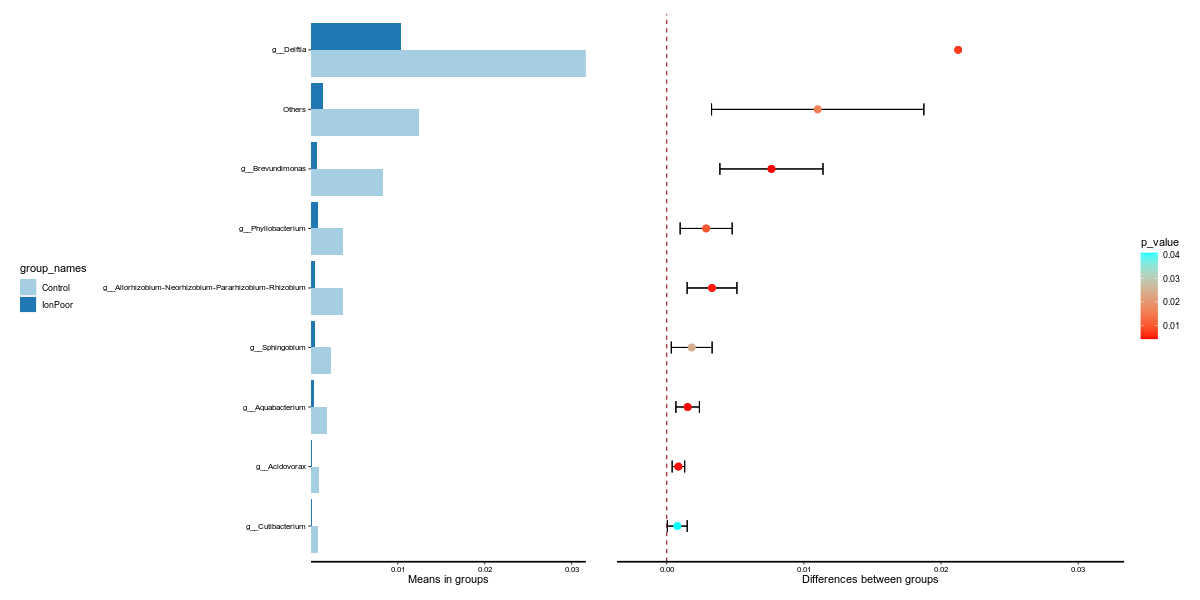
T-test Analysis of Species Differences between Groups
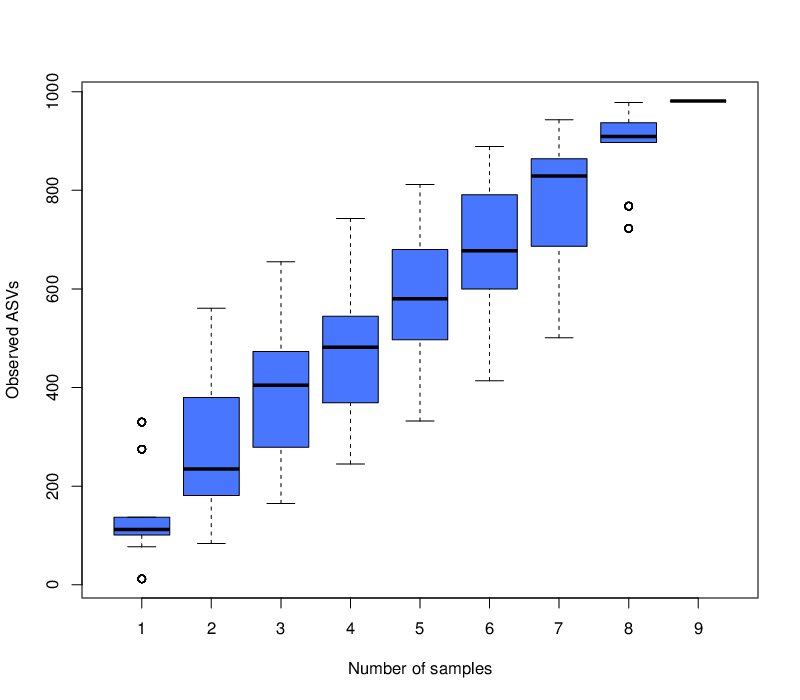
Species Accumulation Boxplot
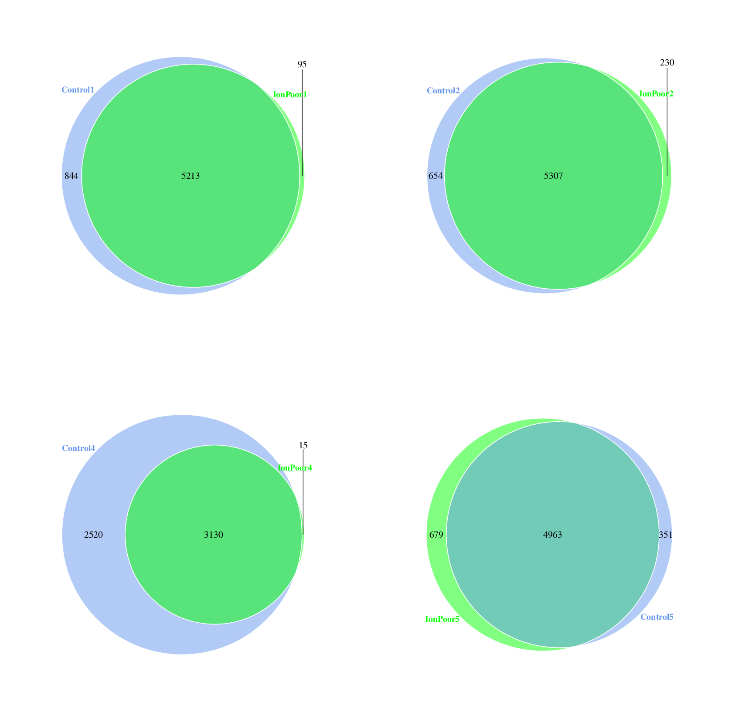
Venn Diagram of PICRUSt2 Results