Whole Genome Sequencing
Whole-genome sequencing (WGS) is a method of comprehensively analysing the entire genome of an organism using next generation sequencing. WGS is useful in diverse research areas including agrigenomics, environmental sciences, cancer research, microbiology, developmental biology and many more.
With extensive experience in the field of next generation sequencing, Novogene is devoted to providing fast, accurate and affordable whole genome sequencing services. We provide whole genome resequencing service, with the choice of using either long read or short read sequencing strategies, depending on the research objective.
Our resequencing service option allows researchers to compare their samples against a reference genome to identify genomic variants. Low-pass whole genome sequencing (also known as lpWGS or shallow whole genome sequencing) is a cost-effective technique for large cohorts to detect genetic variation within the genomes of various species using imputation. Apart from sequencing, we also provide comprehensive bioinformatic analysis to assist with data interpretation and “publication-ready’’ figures to accompany the analysis.
If you are interested in applications requiring de novo sequencing instead, please refer here.


Technology
Sequencing Platforms
-
ILLUMINA
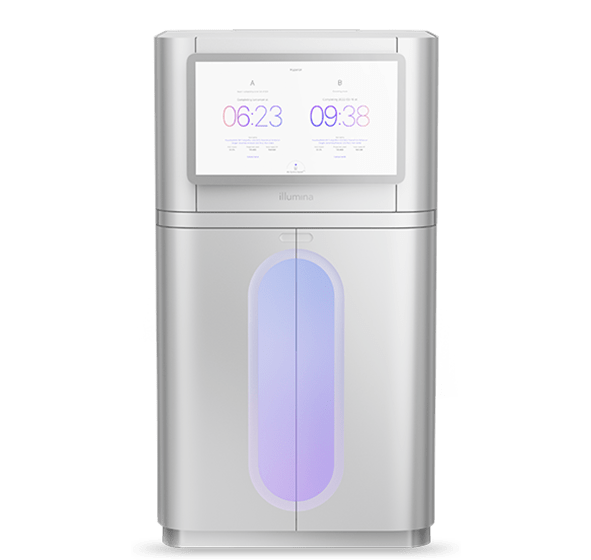
NovaSeq X Plus
System specifications:Up to 16 Tb of output (or up to 52 billion single reads) per dual 25B flow cell run. Run time of nearly 48 h. Q30 ≥85% (PE150)
-
ILLUMINA
NovaSeq 6000
System specifications:80Gb - 6Tb output range, 1.6 - 40 B paired end reads per run, and PE150, PE250, PE50, etc.

-
PACBIO
PacBio Revio System
System specifications:N50>15kb, 90% of bases ≥Q30, 90Gb HiFi yield / SMRT Cell, 360Gb HiFi yield / run, 24-hour run times etc.

-
PacBio
PacBio Sequel II/IIe System
System specifications:N50>15kb, read lengths up to 25kb (CCS), >99.999% (QV50) consensus accuracy, coverage across high-GC/repeat regions. HiFi reads for PacBio Sequel IIe only.

-
Nanopore
Nanopore PromethION
System specifications:Ultra-long reads up to 2Mb, high yields for large genomes, REAL real-time and accessible for flexible budgets.

