Introduction to Microbial De novo Sequencing
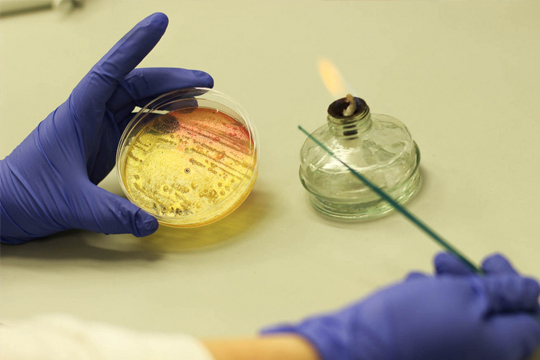

Microbial de novo sequencing is a technique for sequencing the genome of a microorganism (such as bacteria, viruses, fungi, or archaea), in the absence of a reference genome. This approach involves assembling a reference genome by piecing together sequencing reads to construct the entire genome sequence. Microbial de novo sequencing has applications in various research fields including medicine, evolutionary biology, agriculture, and environmental sciences.
Novogene has extensive experience with microbial de novo sequencing of a diverse range of species. We provide microbial de novo sequencing service using long read sequencing strategies for assembled closed genomes as well as short read sequencing strategies as cost-effective alternative for scaffold-level assembly. Our service is complete with high-quality data, bioinformatics support to assist with genome assembly analysis and “publication-ready’’ figures accompanying the analysis.
Applications of Microbial De novo Sequencing
Microbial de novo sequencing has applications in diverse fields such as:
- Virulence research
- Finding drug resistance mechanisms
- Finding molecular markers
- Vaccine development
- Evolutionary Biology
- Epidemiology
If you are instead interested in applications requiring resequencing of microbial species, please refer here.
Benefits of Novogene’s Microbial De Novo Sequencing service
- Extensive Experience: Novogene has extensive experience with microbial de novo sequencing of a wide range of microbial species isolated from different samples.
- High-Quality Data: We deliver high-quality sequencing data that meets leading industry standards and contig N50 lengths appropriate for genome assembly.
- Bioinformatics Support: We provide bioinformatics analysis including assembly of a reference genome. Our reliable bioinformatics pipelines and best-in-class software ensure customers receive reliable and publication-ready data.
- Short Read and Long Read Sequencing: Novogene provides the option of carrying out de novo sequencing of microbial species with long read and short read sequencing strategies, depending on the desired assembly level.
- Fast Turnaround Times: Our sequencing labs are located near you, in Germany and the UK, allowing for reduced shipping times. With our large sequencing capacity, automated and streamlined workflows, we ensure that you receive your data promptly without compromising on quality
- Customer Service System (CSS): Novogene’s Customer Self Service System (CSS) is an online project management portal that streamlines project management and provides direct access to all your sequencing projects in one place. You can view your sequencing project(s), track their progress, access reports, collaborate with your team members, and obtain other useful information at one place.
Microbial De novo Sequencing Specifications: DNA Sample Requirements
Illumina
| Service | Sample Type | Amount (Qubit®) | Volume | Concentration | Purity (NanoDrop™/Agarose Gel) |
| Microbial de novo sequencing | Genomic DNA/ total DNA* | ≥100 ng | ≥20 μL | ≥5 ng/μL | OD260/280 = 1.8-2.0; no degradation, no contamination Fragments longer than 1000 bp |
| PCR-free WGS | Genomic DNA / total DNA | ≥1.2 μg | ≥20 μL | ≥20 ng/μL | OD260/280 = 1.8-2.0; no degradation, no contamination |
*Total DNA includes all types of DNA present in a sample, including genomic DNA, mitochondrial DNA and any other extrachromosomal DNA.
PacBio
| Service | Sample Type | Amount (Qubit®) | Volume | Concentration | Purity |
| PacBio DNA CLR library | HMW* genomic DNA (Bacteria & Fungus) | ≥1.5 μg | ≥50 μL | ≥70 ng/μL | OD260/280=1.7~2.2; OD260/230=1.3~2.6; NC/QC*=0.95~3.00 Fragments should be ≥15K |
| PacBio DNA HiFi library | HMW genomic DNA (Bacteria & Fungus) | ≥5 μg | ≥50 μL | ≥70 ng/μL | OD260/280=1.75~2.2; OD260/230=1.3~2.6; NC/QC=1.00~2.20 Fragments should be ≥20K |
*HMW = High Molecular Weight; NC/QC = NanoDrop concentration/Qubit concentration
ONT
| Service | Sample Type | Amount (Qubit®) | Volume | Concentration | Purity |
| Nanopore PromethION DNA library | HMW genomic DNA (Bacteria & Fungus) | ≥6 μg | ≥50 μL | ≥60 ng/μL | OD260/280=1.7~2.2; OD260/230=1.3~2.6; NC/QC=0.95~3.00 Fragments should be ≥20K |
*HMW = High Molecular Weight; NC/QC = NanoDrop concentration/Qubit concentration
Novogene Workflow of Microbial De novo Sequencing
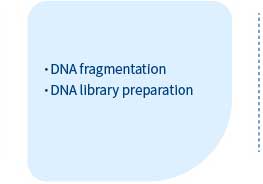
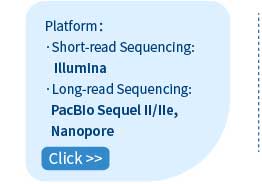
The first step of the project workflow involves the sample quality control (Sample QC) to ensure that your samples meet the criteria of the Microbial De novo Sequencing. Then, the appropriate library is prepared according to your target organism and application and subsequently tested for its quality (Library QC). Next, the sequenced sample and the resulting data are also checked for their quality (Data QC). Finally, bioinformatic analyses are performed and publication-ready results are provided. The following flowsheet describes the step-by-step protocol our Microbial De novo Sequencing follows.

Featured Publications of Microbial De novo Sequencing
-
Evolutionary diversification of methanotrophic ANME-1 archaea and their expansive virome
Nature MicrobiologyIssue Date: 19 January 2023IF: 28.3DOI: 10.1038/s41564-022-01297-4
-
Molecular Characterization of Indigenous Rhizobia from Kenyan Soils Nodulating with Common Beans
INTERNATIONAL JOURNAL OF MOLECULAR SCIENCESIssue Date: 30 May 2023IF: 6.208DOI: 10.3390/ijms24119509
-
INTERNATIONAL JOURNAL OF MOLECULAR SCIENCESIssue Date: 9 September 2023IF: 5.6DOI: 10.3390/ijms241813883
-
Stochastic nuclear organization and host-dependent allele contribution in Rhizophagus irregularis
BMC GENOMICSIssue Date: 28 January 2023IF: 4.547DOI: 10.1186/s12864-023-09126-6
-
PLANT DISEASEIssue Date: 19 March 2023IF: 4.5DOI: 10.1094/PDIS-10-22-2322-A
-
Diversity-BaselIssue Date: 18 May 2023IF: 3.029DOI: 10.3390/d15050681
-
Whole genome sequence of Diaporthe capsici, a new pathogen of walnut blight
Genomics Date: 23 February 2021IF: 6.205DOI: https://doi.org/10.1016/j.ygeno.2020.04.018
-
ISME Date: 14 September 2020IF: 9.493DOI: https://10.1038/s41396-020-0684-5
-
Scientific Reports Date: 31 August 2017IF: 5.228DOI: https://10.1038/s41598-017-10376-0
Long Read Sequencing (aiming at Bacteria Complete Map and Fungus Fine Map)
Genome Assembly
Polymerase read statistics
Polymerase reads are mostly used for quality control of the instrument run. Polymerase read metrics primarily reflect movie length and other run parameters rather than insert size distribution. Polymerase reads are trimmed to include only the high-quality region. Note: Sample quality is a major factor to be considered in polymerase read metrics.
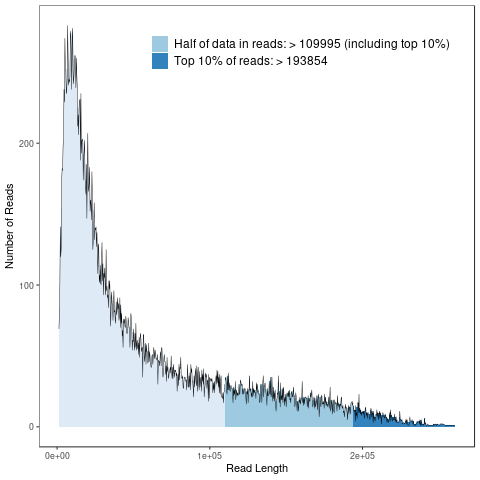
Polymerase read length distribution
Note:
The horizontal axis shows polymerase read length distribution, the vertical axis shows the number of reads corresponding to length distribution.
Subreads statistics
Each polymerase read is partitioned to form one or more subreads, which contain a sequence from a single pass of a polymerase on a single strand of an insert within a SMRTbell template and no adapter sequences. The subreads contain the full set of quality values and kinetic measurements. Subreads are useful for applications such as de novo assembly, resequencing, and base modification analysis.
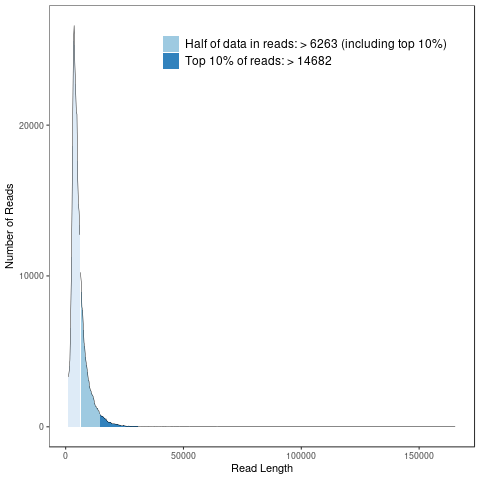
Subreads read length distribution
Note:
The horizontal axis shows subreads length distribution, the vertical axis shows the number of reads corresponding to length distribution.
Assembled genome statistics
19G PacBio raw reads were generated and used for assembly. The assembled genome sequence statistics information is shown in table
Assembled Genome Statistics
| Title | Total_length | Total_number | Num>=2000 | Average_length | Max_length | N50_length | N50_number | N90_length | N90_length |
| Contig | 3,024,820 | 1 | 1 | 3,024,820 | 3,024,820 | 3,024,820 | 1 | 3,024,820 | 1 |
| Scaffold | 3,024,820 | 1 | 1 | 3,024,820 | 3,024,820 | 3,024,820 | 1 | 3,024,820 | 1 |
Gene function annotation
GO Annotation
GO stands for Gene Ontology. The Gene Ontology (GO) project aims to provide reliable descriptions of gene products within several databases. GO vocabularies (ontologies) explain gene products concerning their associated biological processes, molecular functions, and cellular components in a species-independent approach. GO annotation is only available for identified novel genes and isoforms.
Genes were classified into one or several parts of GO by their functions. Relying on the GO annotation results, we could detect gene functions.
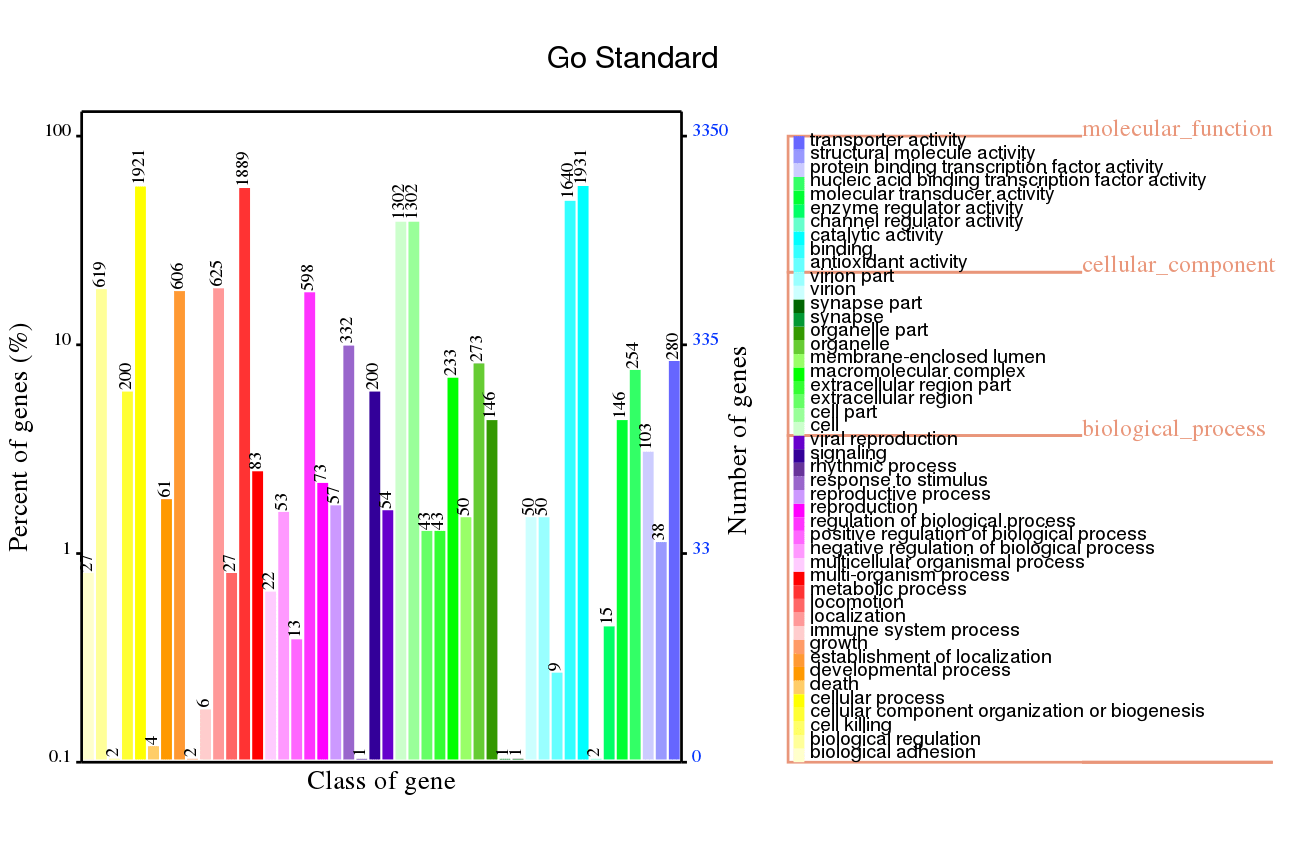
Note:
The horizontal axis displays the GO function class for the annotated genes, the right vertical axis is the gene number, and the left vertical axis is the percent of gene number annotated in all the coding genes.
KEGG Annotation
KEGG stands for Kyoto Encyclopedia of Genes and Genomes. It is a database resource for understanding high-end functionalities and utilities of the biological system, such as the cell, the organism, and the ecosystem, from molecular-level information, especially large-scale molecular datasets generated by genome sequencing and other high-throughput experimental technologies. Using KEGG annotation, we could find genes that related to the annotated gene conveniently.
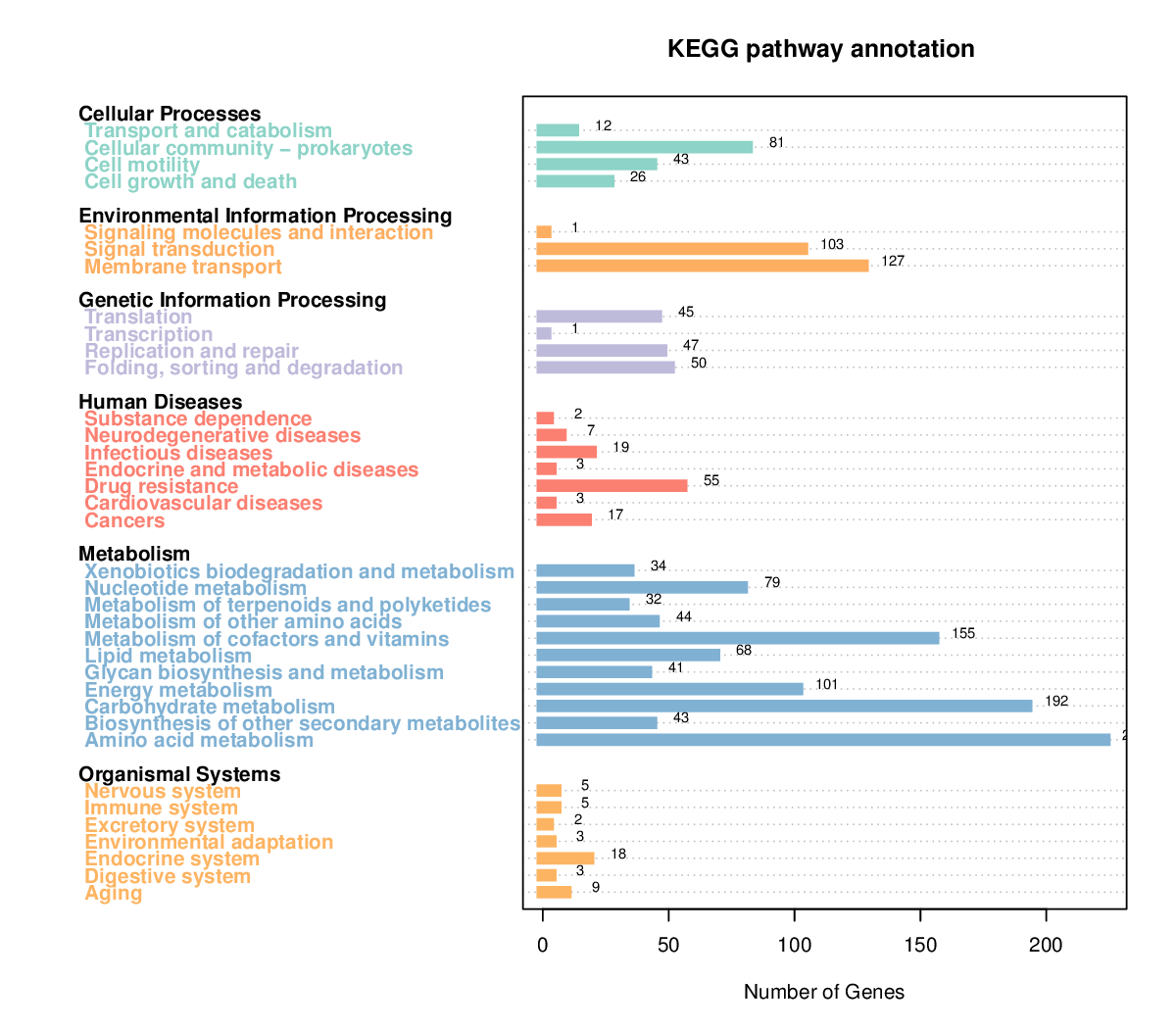
Note;
The horizontal axis is the KEGG pathway type, and the vertical axis shows the number of annotated genes.
COG Annotation
COG is the abbreviation of Cluster of Orthologous Groups of proteins. It is a protein database created and maintained by NCBI and is based on the evolution relation of the protein systems among bacteria, algae, and eukaryotes. COG annotations can be normally used to determine protein families. All proteins classified in one COG part contain homologous sequences that can be used to deduce the function of a protein.
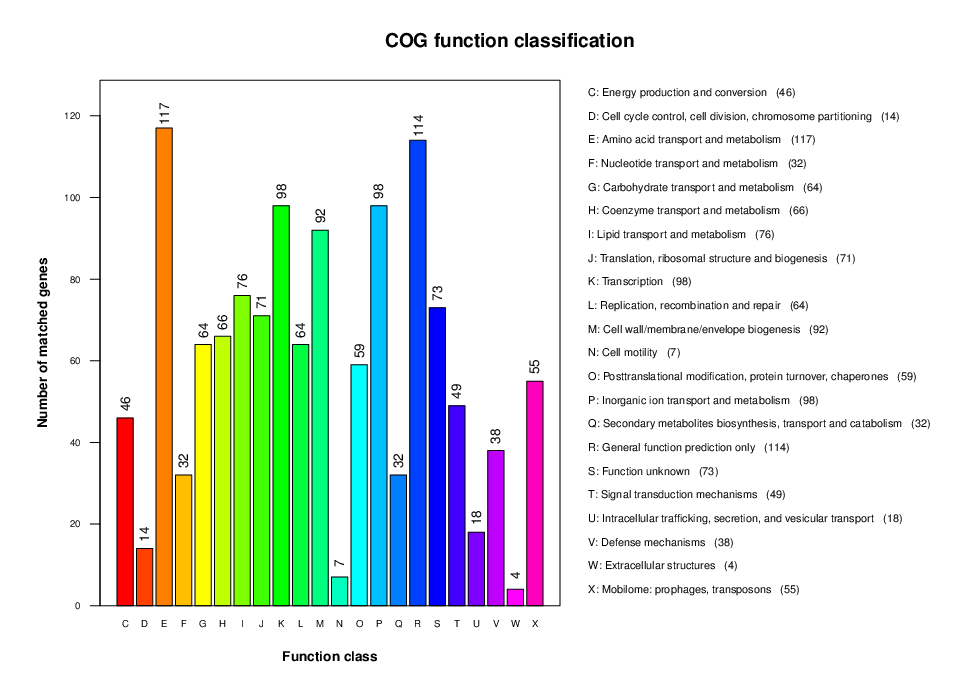
Note:
The horizontal axis is the COG function type, and the vertical axis is the number of annotated genes.
NR Annotation
The full name of NR is the Non-Redundant Protein Database. It is a protein database without duplication which is created and maintained by NCBI. The database is complete and the annotation results contain species information that can be used to classify different species.
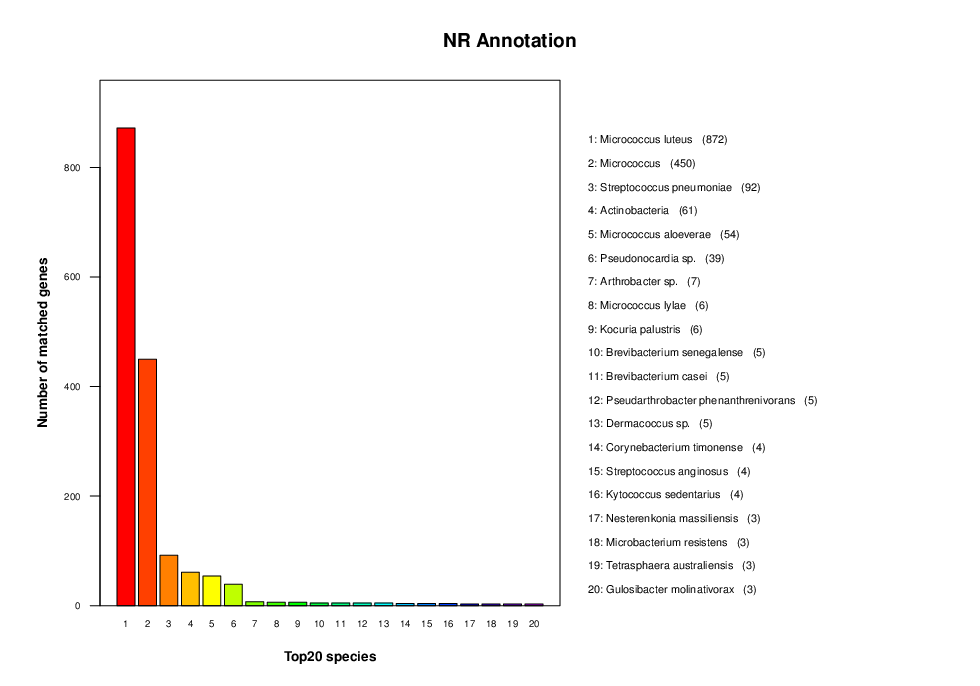
Note:
The horizontal axis is species ID, and the vertical axis is the number of annotated genes.
Short Read Sequencing (aiming at Draft Map and Survey)
Assembly Result
Sequenced reads were mapped to the assembly results, and then depth and GC content of assembly results were counted to further reflect the distribution of both GC content and the sequencing depth.
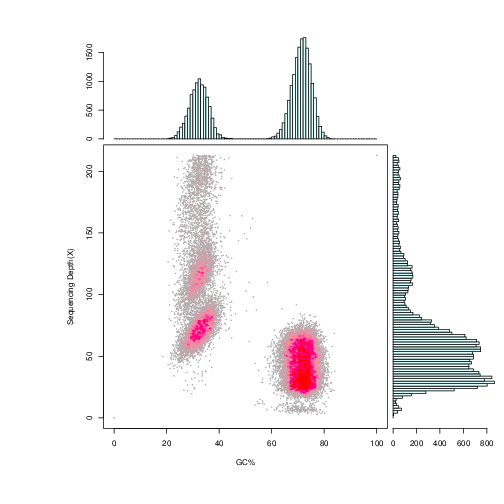
Note:
X-coordinate is GC content, and Y-coordinate is average depth. The right side is the distribution of sequence depth and the upper side is the distribution of GC content.
Gene length distribution
Generally, the microbial genome contains profuse functional regions, which account for even more than 90% of its size. In addition to the coding regions, non-coding regions are more likely to affect the regulation function of transcription, post-transcriptional modifications, translation, and epigenetic modifications. Part of the functional regions is related to the diversity of microbial evolution.
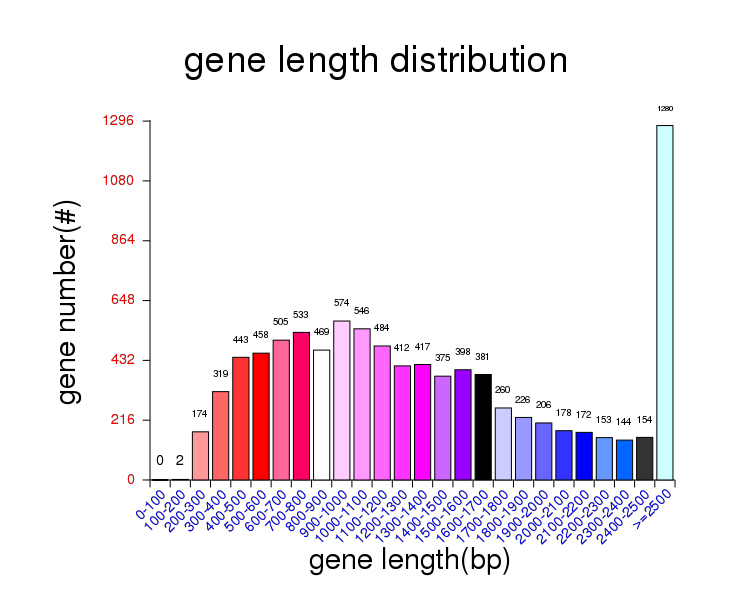
Note:
The constitution of the sequenced genome was learned using various methods, such as gene prediction, repeats prediction and non-coding RNA prediction, etc. X-coordinate is gene length and Y-coordinate is gene numbers.
*Please contact us to get full demo report.
More Research Services
